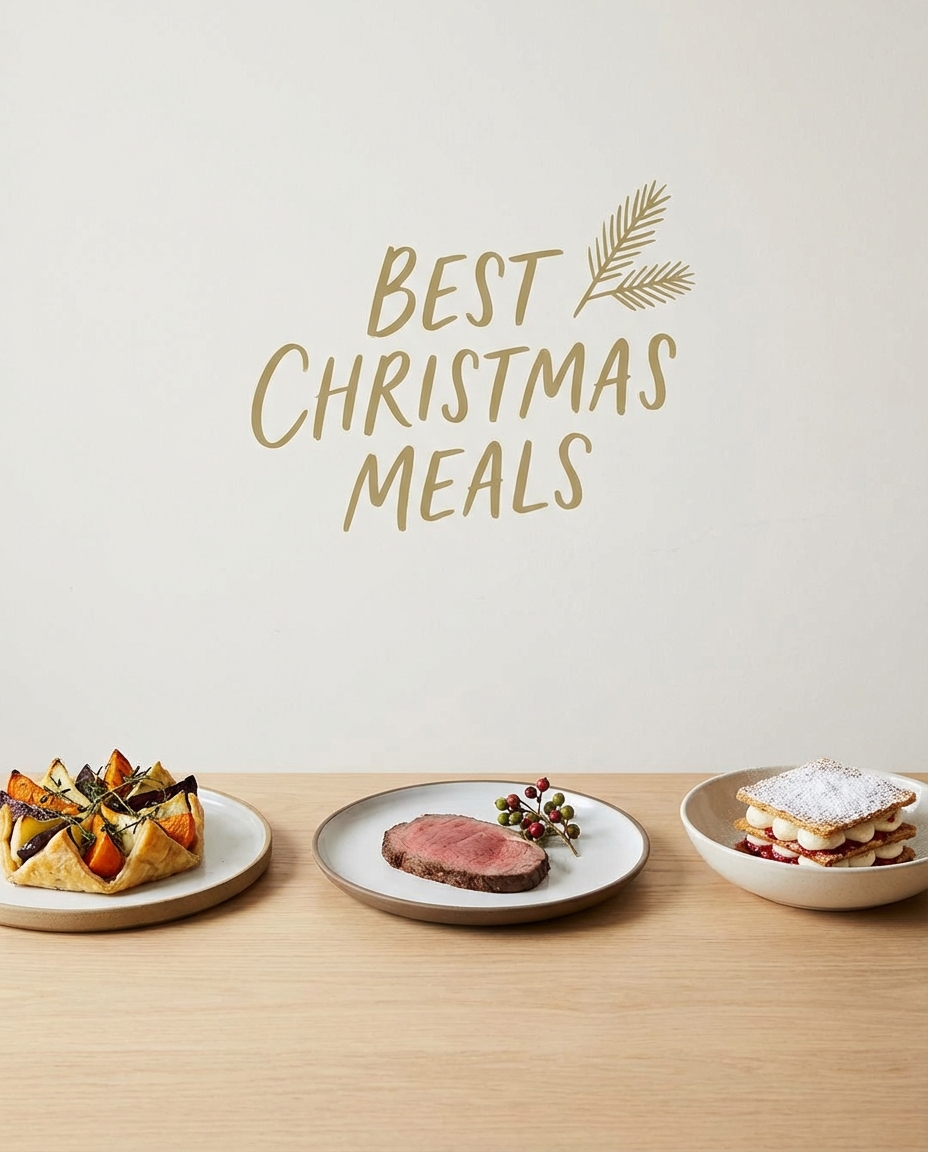
For decades, the vegetarian option at the Christmas table was often an afterthought—a lonely plate of sides or a dry, uninspiring loaf. However, the modern festive table is undergoing a culinary renaissance. Today, a meat-free main course is not merely a substitute; it is a gastronomic event in its own right. When curated with care and cooked with passion, a vegetarian centerpiece can easily rival, and often surpass, the visual and gustatory impact of a traditional meat roast.
Creating a luxury dining experience without meat requires a focus on three pillars: umami, texture, and presentation. While the rest of the family might be consulting the Ultimate Traditional Roast Turkey Guide, the vegetarian chef has the unique opportunity to play with earthy wild mushrooms, sweet roasted chestnuts, and delicate puff pastry. The goal is to create a dish that sits proudly in the center of the table, commanding attention with its golden hues and aromatic promise.
Whether you are a lifelong vegetarian or simply hosting a mixed group of dietary requirements, the dishes we explore below are designed to be showstoppers. They are not merely 'meat replacements'; they are celebrations of winter produce, elevated by French techniques and sophisticated flavor profiles suitable for the most elegant of holiday gatherings.
The Crown Jewel: The Mushroom Wellington
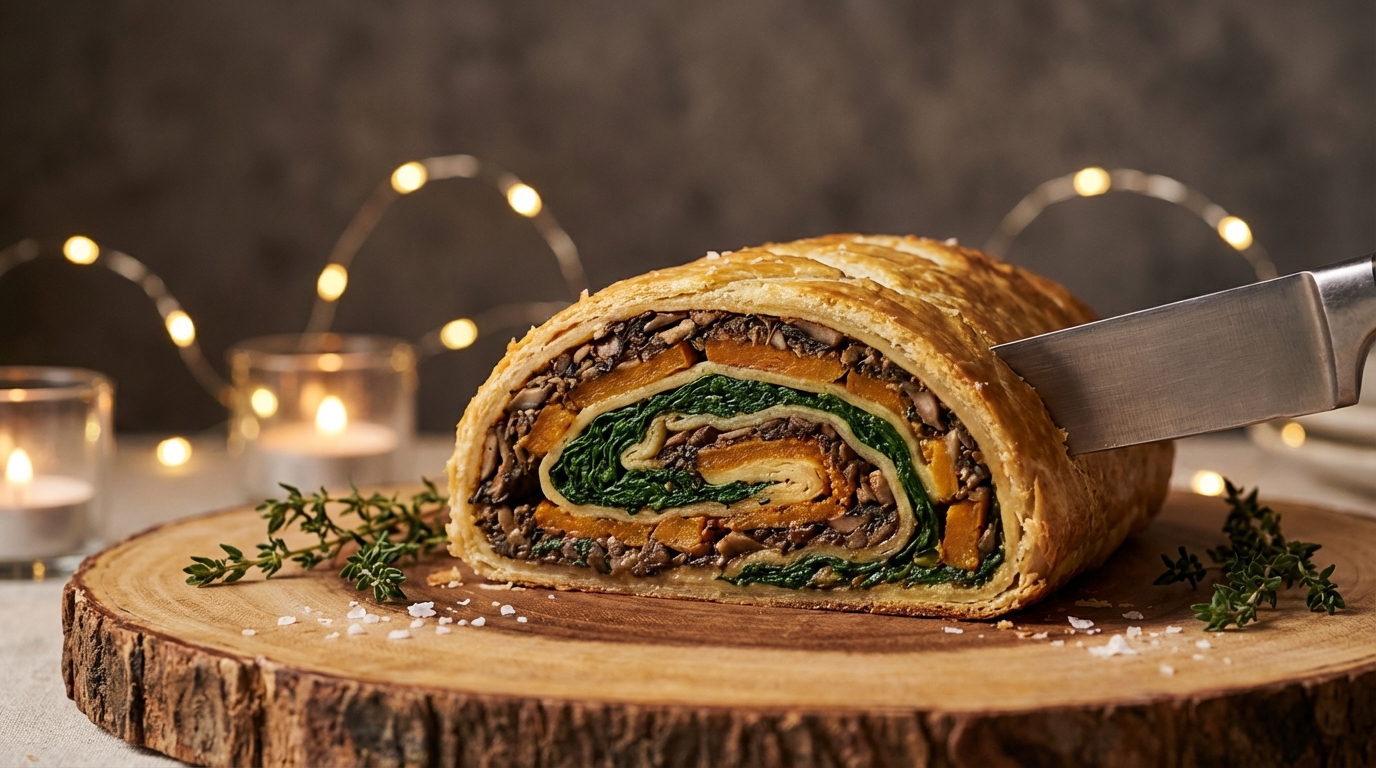
If there is one dish that truly captures the essence of a luxury Christmas, it is the Wellington. Traditionally reserved for beef, the vegetarian iteration—the Mushroom Wellington—is arguably more complex and flavorful. The secret lies in the duxelles, a paste of finely chopped mushrooms, shallots, and herbs, sautéed until every drop of moisture has evaporated, leaving behind an intense umami bomb.
To achieve a truly showstopping Wellington, consider layering. Start with a center of roasted butternut squash or sweet potato for color and bite. Surround this with the mushroom duxelles, perhaps enriched with truffle oil or chestnuts, and wrap it all in blanched spinach or savory crêpes before encasing it in all-butter puff pastry. When baked to a deep, burnished gold, it offers a satisfying crunch followed by a melt-in-the-mouth interior that feels undeniably opulent.
This dish pairs beautifully with the rich, savory accompaniments found in our guide to Essential Christmas Side Dishes & Sauces. A dark, vegetable demi-glace or a cranberry-port reduction is non-negotiable here, adding the necessary acidity to cut through the richness of the pastry.
Jeweled Nut Roasts: A Modern Renaissance
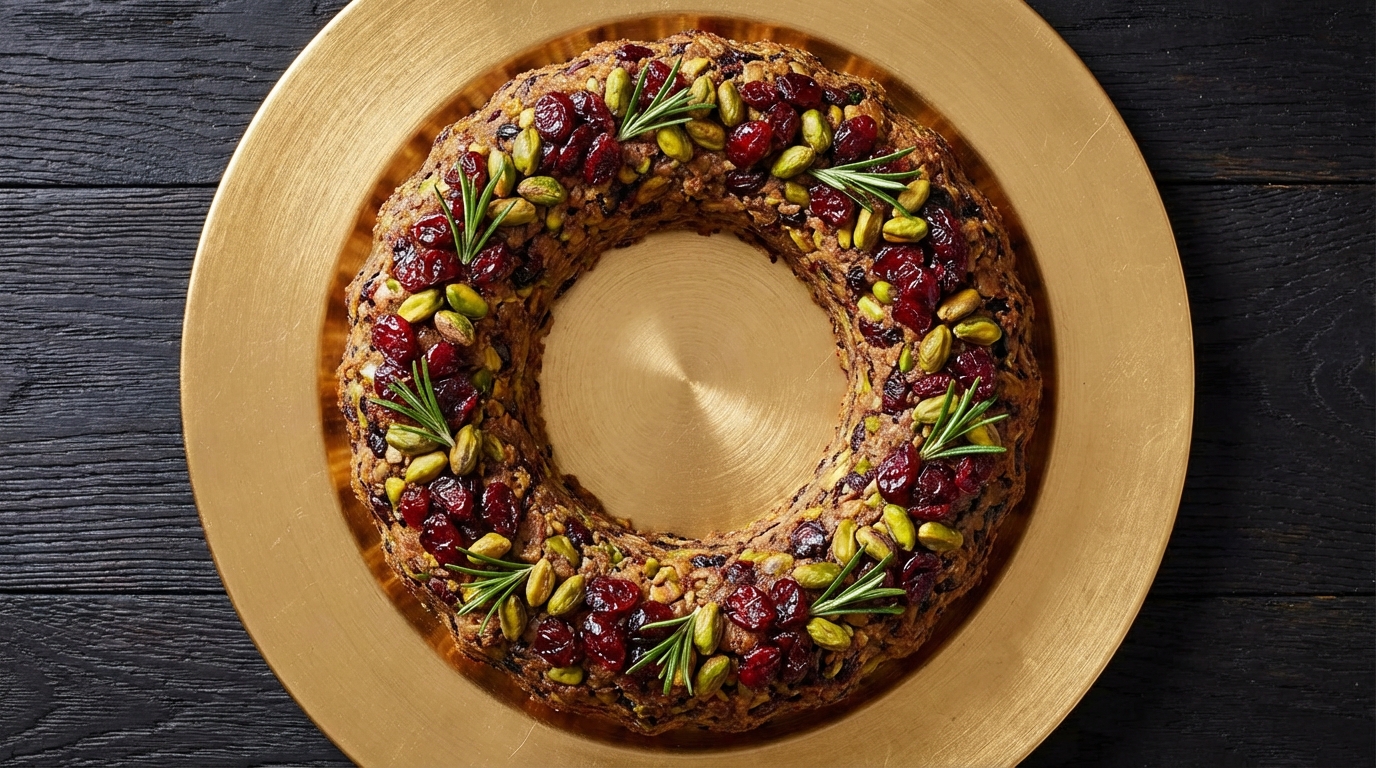
Forget everything you know about the dry, crumbly nut roasts of the 1990s. The modern nut roast is a 'jeweled' masterpiece, dense with luxury ingredients like macadamia nuts, pistachios, and dried apricots soaked in brandy. The key to elevating a nut roast from humble to haute cuisine is texture variation. You want the crunch of toasted whole nuts, the chew of dried fruit, and the softness of binding vegetables like parsnips or sweet potatoes.
Presentation is where the 'jeweled' aspect comes to life. Bake your roast in a wreath mold or a terrine tin lined with cranberry glaze. Upon unmolding, garnish it extravagantly with fresh rosemary, sage, and glistening pomegranate seeds. This vibrant splash of red and green against the deep mahogany of the roast looks stunning on a white ceramic platter.
For those looking to explore global flavors, you might draw inspiration from our International Christmas Food Traditions. Spicing your nut roast with Moroccan ras el hanout or Italian herbs can transport your guests to different corners of the globe while keeping the meal grounded in festive comfort.
Vegetable-Forward Centerpieces: Whole Roasted Brilliance
Sometimes, the vegetable itself deserves to stand alone. Whole roasted vegetables are becoming increasingly popular in high-end dining for their dramatic presentation. A whole roasted cauliflower, basted in spiced butter or a saffron glaze, emerges from the oven looking like a golden artifact. When carved at the table, it offers a theatrical experience similar to carving a bird.
Alternatively, a Hasselback butternut squash, glazed with maple and pecans, creates a stunning visual rhythm on the plate. These dishes are lighter than the pastry-heavy Wellingtons but no less impressive. They speak to a confidence in produce—a belief that a winter vegetable, treated with respect and technique, is worthy of the main stage.
If you are worried about timing—perhaps you are juggling these intricate mains with other hosting duties—remember that preparation is your ally. Many of these roasts can be prepped the day before. However, if you find yourself running behind, do check our guide on Stress-Free 30-Minute Christmas Dinners for strategies to manage your kitchen workflow efficiently.
Elegant Galettes and Savory Pies
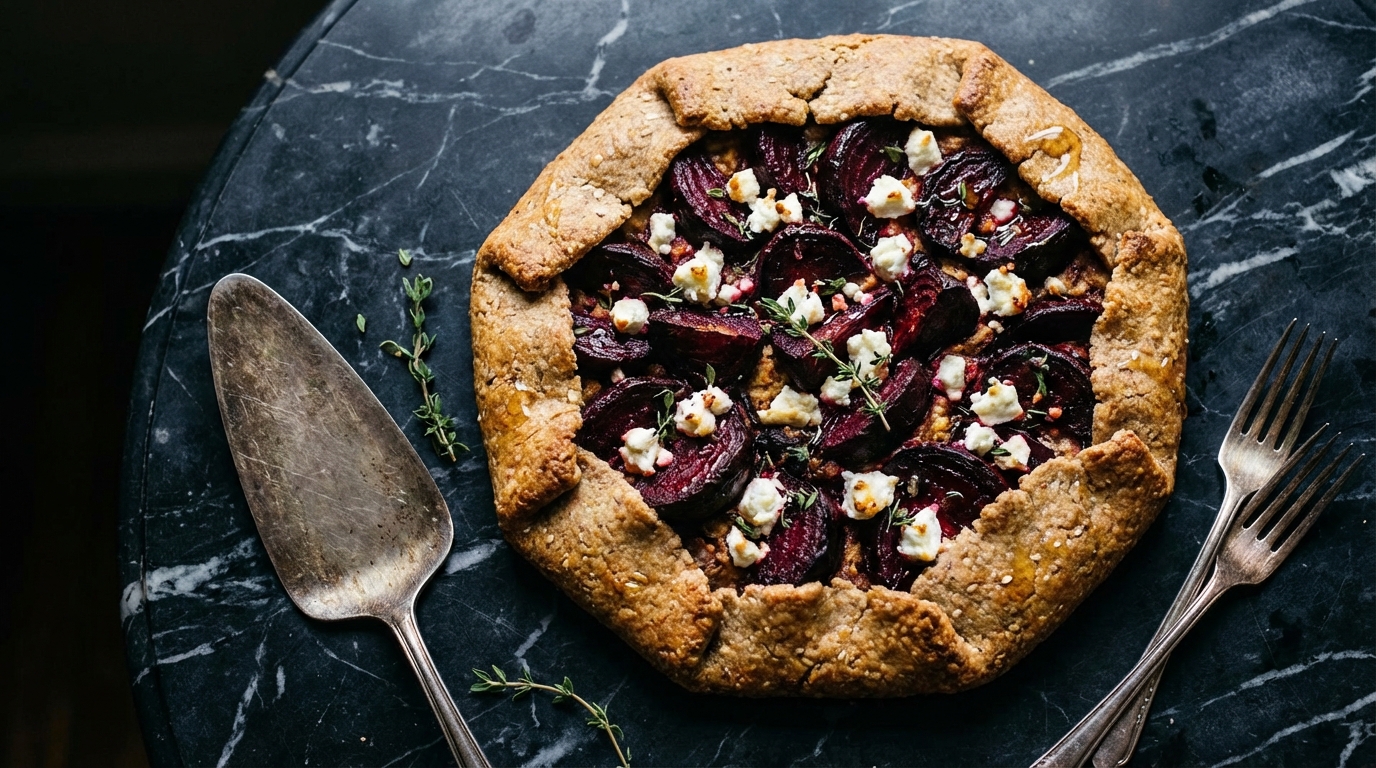
For a slightly more rustic yet undeniably chic option, the savory galette is a fantastic choice. Unlike a structured pie, a galette is free-form, allowing the colorful filling to peek through. A pastry crust folded over roasted beets, goat cheese, and walnuts creates a striking contrast of deep purple and golden brown.
Individual tartlets are another sophisticated route, offering each guest their own perfectly portioned main. Filled with caramelized onions, brie, and thyme, they feel personal and catered. This approach also simplifies service, eliminating the need for carving at the table and ensuring every plate looks picture-perfect as it leaves the kitchen.
Completing the Feast
No matter which showstopping main you choose, the success of the meal relies on the harmony of the entire menu. A heavy Wellington requires lighter, zestier sides, while a lighter roasted cauliflower can handle rich gratins and creamed sauces. Ensure your table is balanced.
As you plan your menu using our Ultimate Guide to Best Christmas Meals, remember that the vegetarian main is an opportunity to showcase creativity. It is a chance to break away from tradition and establish new, delicious rituals that everyone at the table—carnivore and herbivore alike—will look forward to year after year.