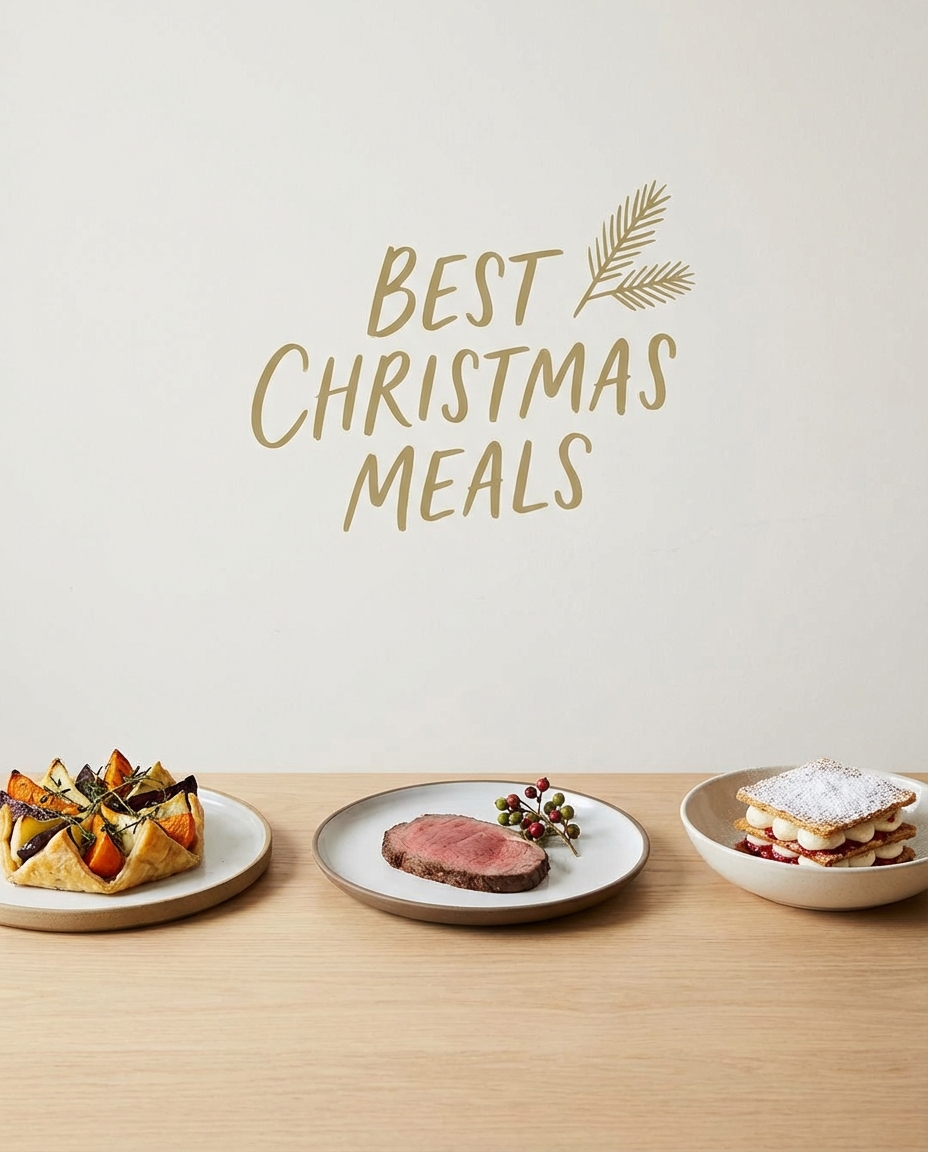
In the grand theater of the holiday feast, the turkey may be the protagonist, but the side dishes are the supporting cast that earns the standing ovation. A truly memorable Christmas dinner is defined by the crunch of a perfect potato and the silkiness of a well-reduced gravy.
Creating a cohesive menu requires more than just piling vegetables onto a plate; it requires a delicate balance of textures, flavors, and timing. Whether you are pairing your sides with a Traditional Roast Turkey or a modern alternative, these essential recipes will ensure your table looks as sumptuous as it tastes.
The Golden Standard: Perfect Roast Potatoes
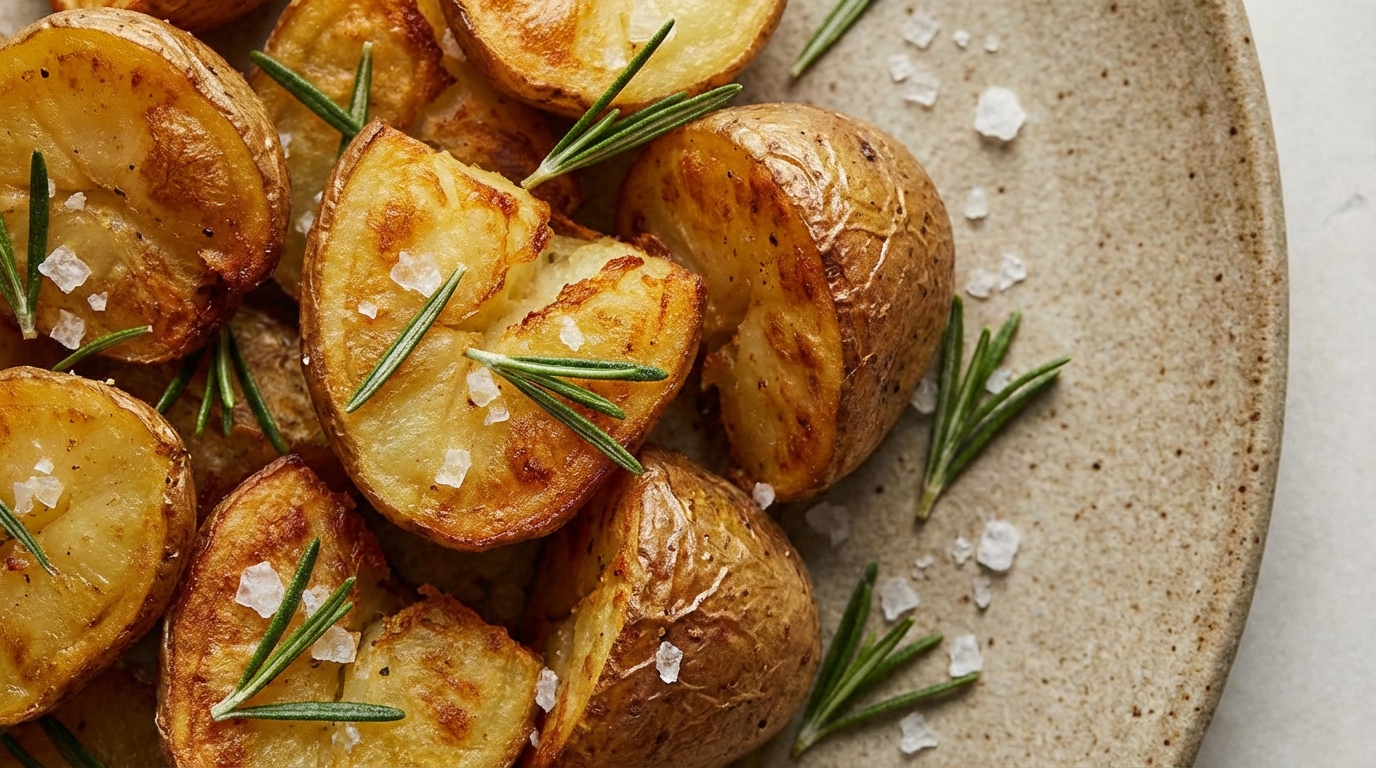
There is no debate: the roast potato is the cornerstone of the British and American Christmas dinner. A soggy potato can dampen the spirit of the entire meal, whereas a crispy one brings unbridled joy. The secret lies in the "chuffing"—roughing up the edges after parboiling.
The Technique
- Variety Matters: Choose a floury potato like Maris Piper or King Edward (in the UK) or a Yukon Gold or Russet (in the US). These varieties break down slightly on the surface to create that essential crust.
- The Parboil: Boil peeled chunks in salted water for exactly 7–9 minutes. They should be soft on the outside but still firm in the center.
- The Steam Dry: Drain the potatoes and let them sit in the colander for 5 minutes. This removes excess moisture, ensuring a crunch rather than a steam.
- The Fat: For the ultimate luxury, use goose or duck fat heated in the roasting tray until smoking hot. For a plant-based option suitable for Showstopping Vegetarian Christmas Mains, opt for a high-smoke-point vegetable oil infused with rosemary.
Elevating the Humble Vegetable
Too often, Christmas vegetables are an afterthought, boiled into submission and devoid of flavor. To match the elegance of your setting, treat your vegetables with the same respect as the main protein. We are looking for vibrant colors and distinct flavors that cut through the richness of the meal.
Brussels Sprouts with Chestnuts and Pancetta
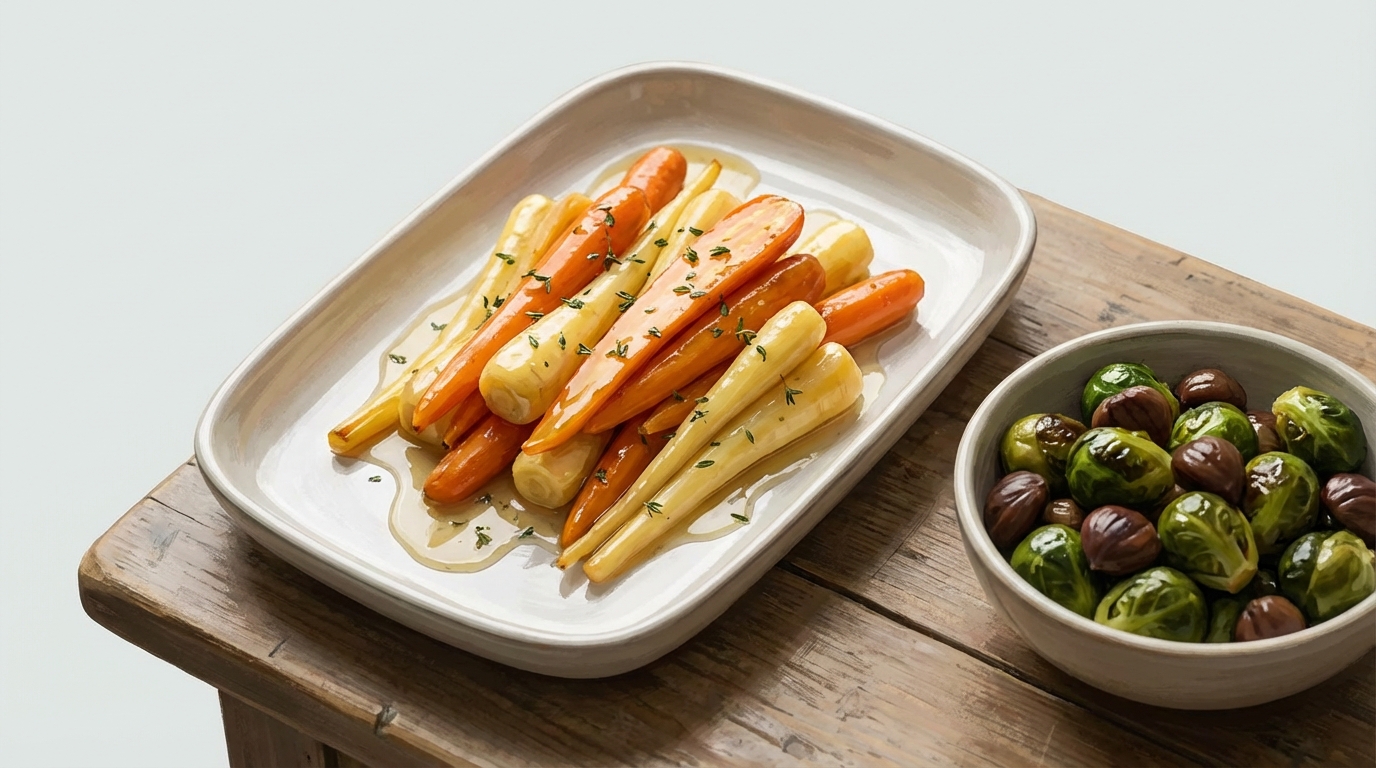
Forget the cross-cut bottom and boiling water. The modern, sophisticated way to serve sprouts is roasted or pan-fried. Halve the sprouts and sauté them with cubes of salty pancetta and vacuum-packed chestnuts. The nutty sweetness of the chestnuts balances the natural bitterness of the sprouts, converting even the staunchest skeptics.
Honey and Thyme Glazed Roots
Carrots and parsnips provide the necessary sweetness on the plate. Slice them lengthwise to look elegant. Roast them with a drizzle of honey (or maple syrup), a splash of orange juice, and fresh thyme sprigs. The sugars will caramelize in the oven, creating a sticky, glossy finish that looks beautiful by candlelight.
If you are looking to incorporate flavors from around the globe, consider swapping standard glazed carrots for Braised Red Cabbage with apple and cinnamon, a staple in German festive dining. You can explore more about these variations in our guide to International Christmas Food Traditions.
Liquid Gold: The Essential Sauces
A dry Christmas dinner is a culinary tragedy. The sauces are the binding agents that bring the meat, potatoes, and vegetables together into a harmonious bite.
The Ultimate Turkey Gravy
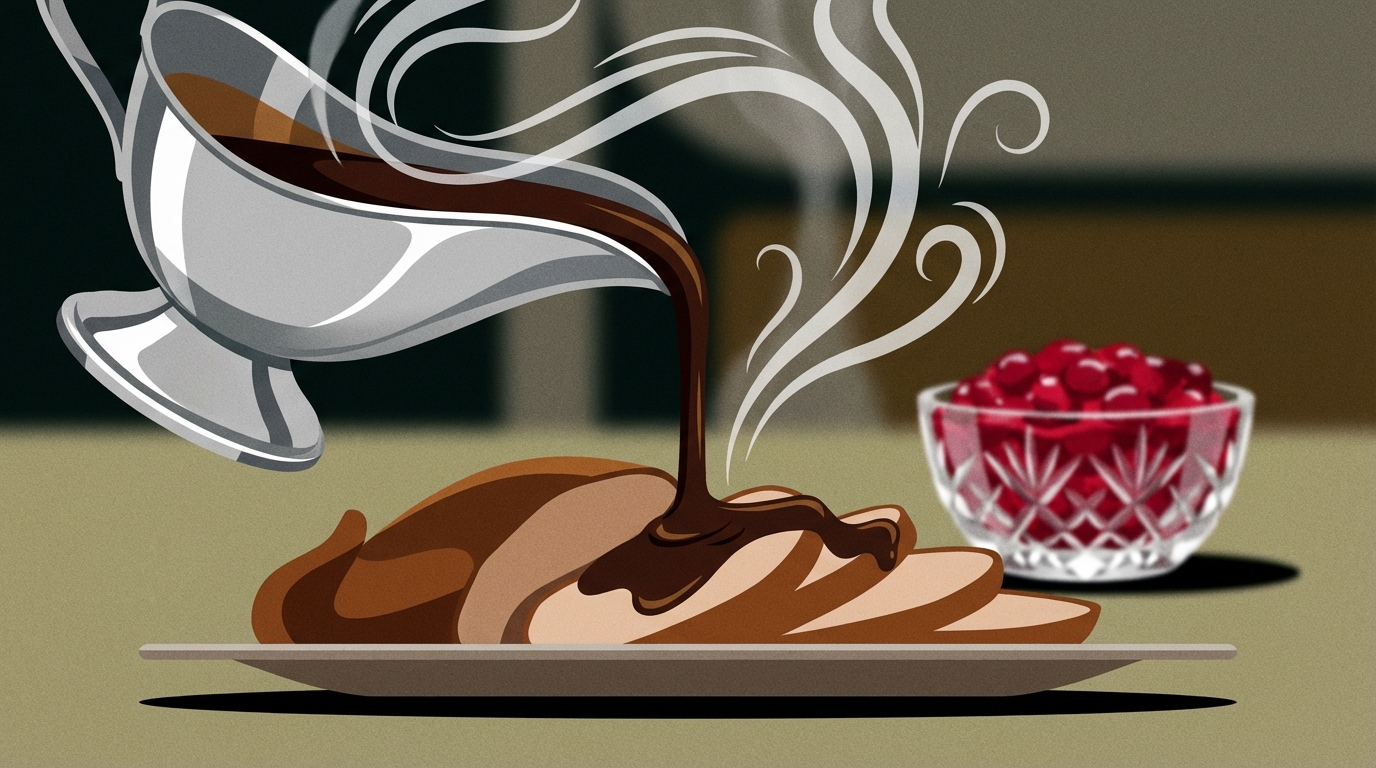
Do not rely on granules. The base of your gravy should be the caramelized juices from your roasting pan. While your turkey rests, place the tray on the hob. Deglaze with a splash of wine (white or red, depending on preference) or cider, scraping up the "fond" (the sticky brown bits). Add a high-quality chicken or turkey stock and reduce. Finish with a knob of cold butter for a glossy sheen.
Homemade Cranberry Sauce
Commercial cranberry jelly often lacks texture and punch. Homemade sauce takes less than 15 minutes and can be made days in advance. Simmer fresh cranberries with sugar, a strip of orange zest, and a splash of port or orange juice. Cook until the berries pop and the sauce thickens. The tartness is essential to cut through the fat of the meal.
Traditional Bread Sauce
A classic British accompaniment that dates back to medieval times, bread sauce is creamy, comforting, and infused with cloves, onion, and bay leaves. It offers a soothing texture contrast to the crispy potatoes and firm vegetables.
The Savory Trimmings: Stuffing and Pigs in Blankets
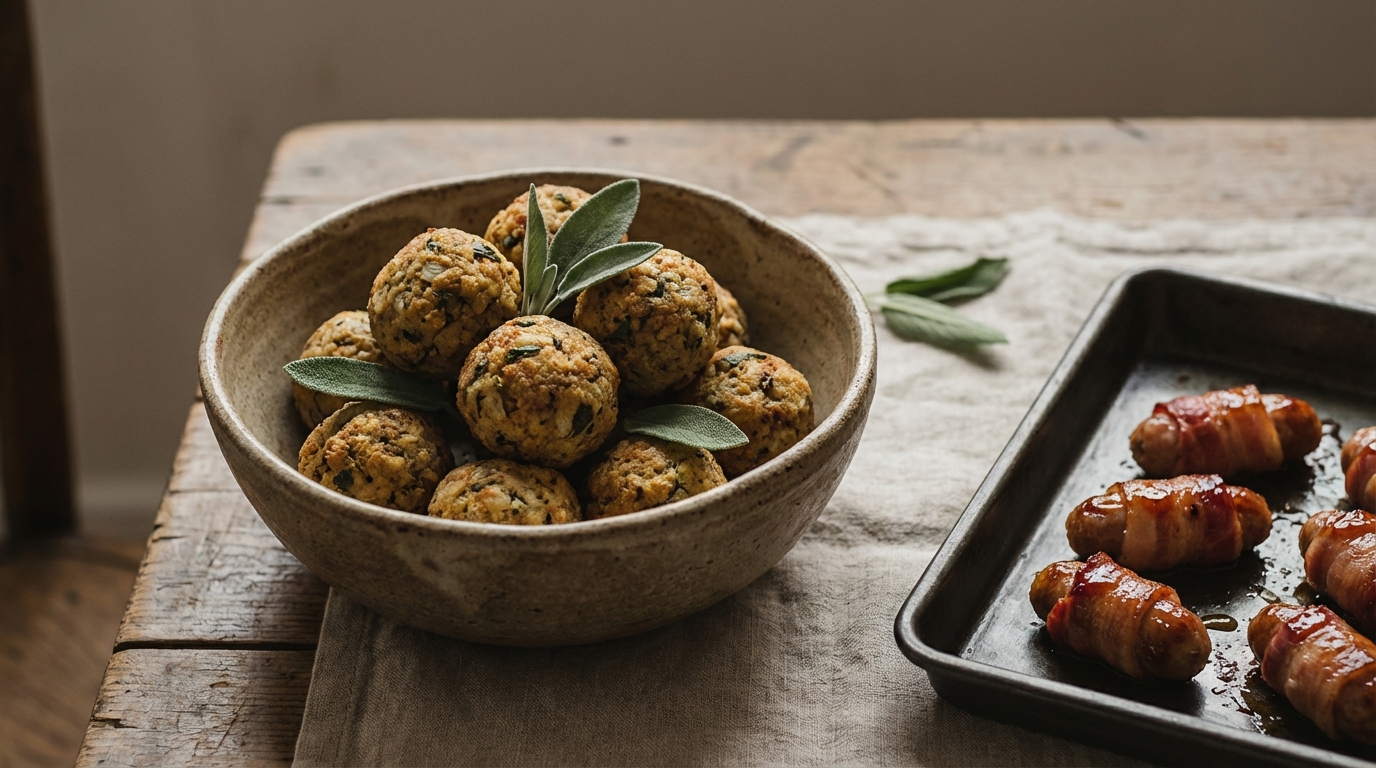
For many, these "extras" are the best part of the meal. Pigs in blankets—mini sausages wrapped in streaky bacon—are non-negotiable. To elevate them, brush with a little wholegrain mustard and honey before the final 10 minutes of roasting.
For stuffing, move away from the bird. Baking stuffing in a separate dish allows the top to get crispy while the inside remains moist. A mixture of sausage meat, sage, onion, and breadcrumbs is traditional, but adding dried apricots or pecans adds a touch of luxury.
Timing and Logistics
The challenge of Christmas side dishes is rarely the difficulty of the recipe, but the logistics of the oven space. To host a stress-free holiday, preparation is key. Most of these sides can be prepped the day before. Potatoes can be peeled and kept in water; sprouts can be blanched; stuffing can be mixed.
If you find yourself overwhelmed by the sheer number of dishes, remember that simplicity is often synonymous with elegance. You might also find our strategies for Stress-Free 30-Minute Christmas Dinners helpful for managing your time and identifying quick wins that don't compromise on quality.
Conclusion
By giving your side dishes the attention they deserve, you elevate the entire dining experience. From the crunch of the potato to the tart zest of the cranberry, these elements create the festive tapestry that your guests will remember for years to come. For a complete view of how these sides fit into the wider menu, visit our Ultimate Guide to Best Christmas Meals to plan your perfect holiday feast.