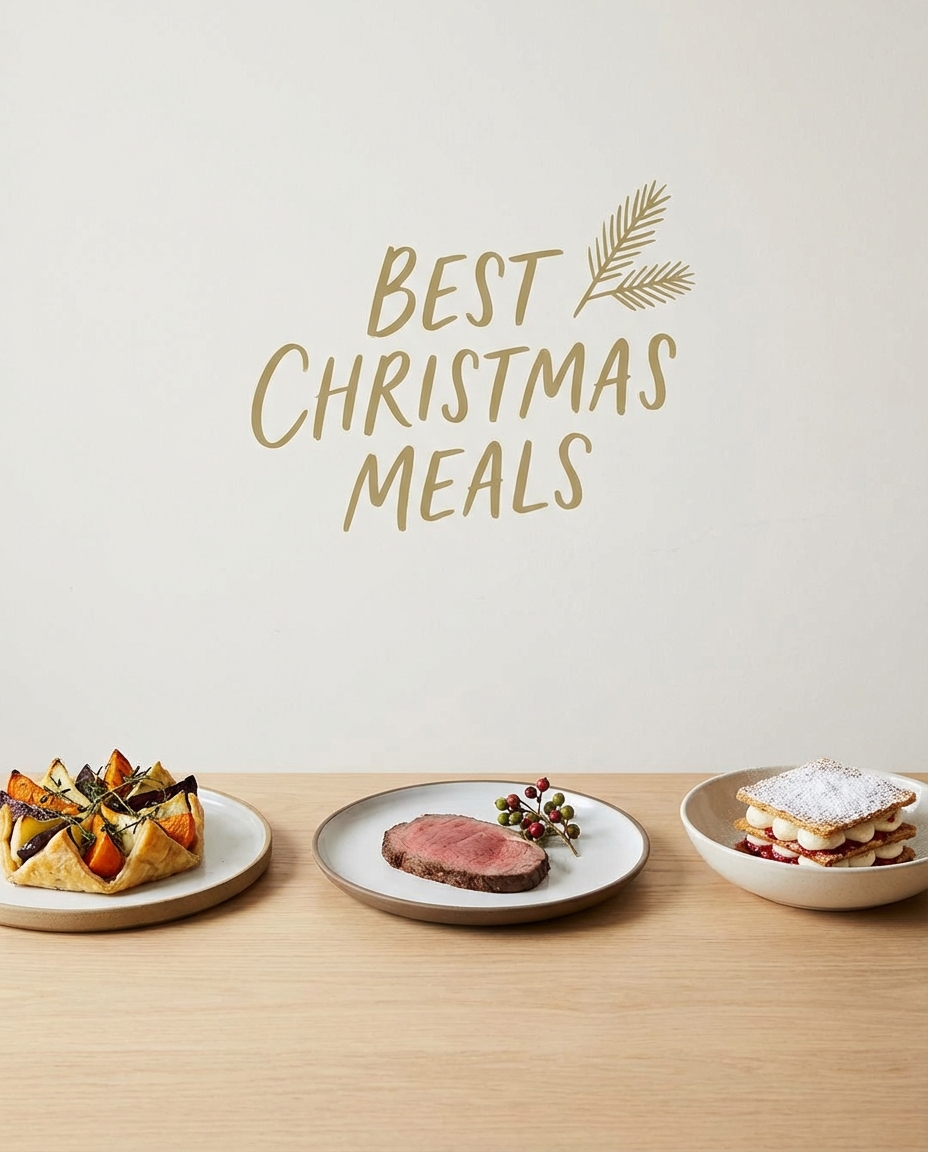
Christmas is a tapestry woven from threads of faith, family, and folklore, but perhaps the most vibrant thread of all is food. While many of us immediately visualize the Ultimate Traditional Roast Turkey when we think of the holiday centerpiece, the global reality is a fascinating array of flavors, textures, and rituals. Exploring international Christmas food traditions is not merely an exercise in culinary curiosity; it is a way to bring the world to your table, adding a layer of sophistication and history to your own festive gathering.
In this exploration of global gastronomy, we look beyond the standard fare to uncover how culture and climate shape the most important meal of the year. From the sun-drenched coasts of the Mediterranean to the snowy forests of Scandinavia, every dish tells a story of heritage.
The European Classics: Beyond the Turkey
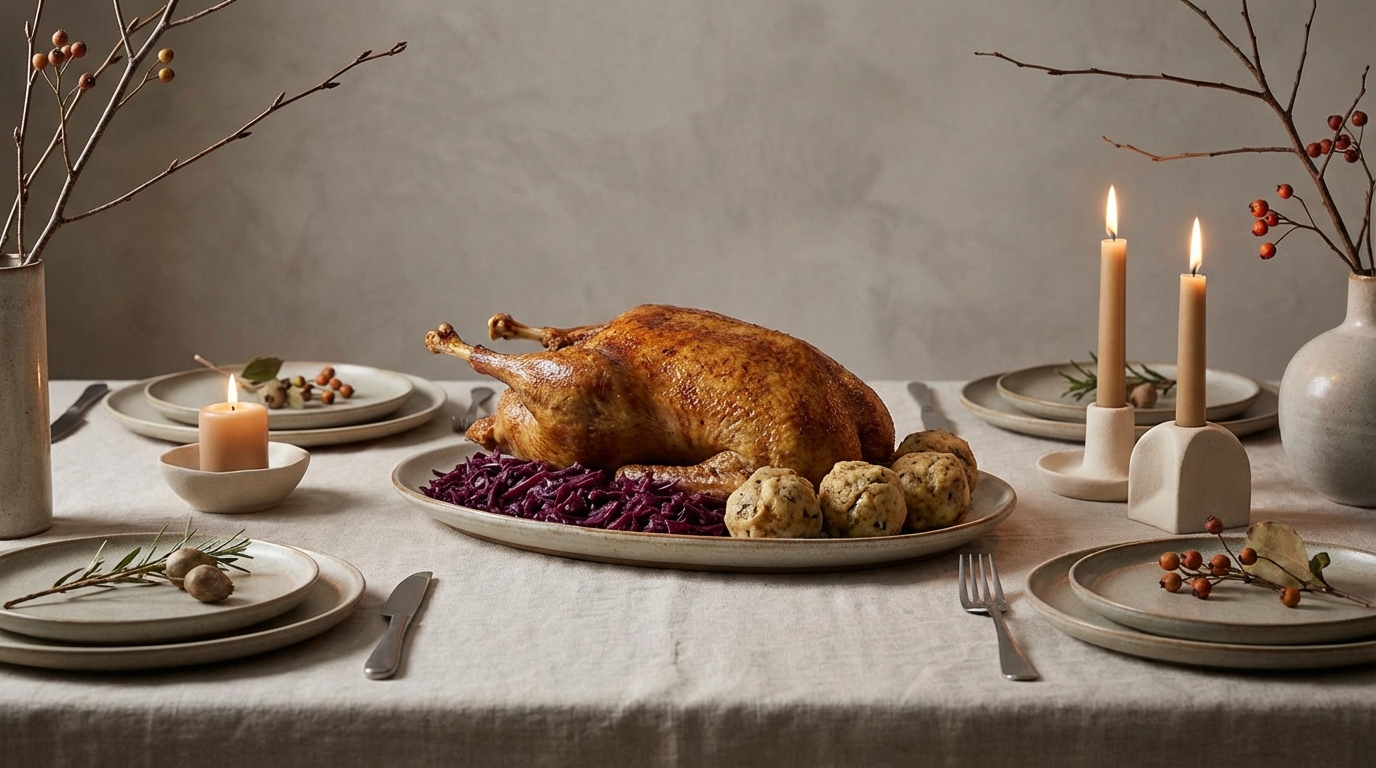
In the heart of Europe, particularly in Germany and parts of Eastern Europe, the Christmas bird of choice is historically the goose (Weihnachtsgans). Dating back to the Middle Ages, the roast goose is a symbol of prestige and celebration. It is traditionally stuffed with apples, chestnuts, onions, and prunes, offering a richer, darker meat profile than turkey. Served alongside braised red cabbage and potato dumplings, it creates a plate deeply rooted in winter comfort.
In France, the culinary pinnacle is Le Réveillon, a long, luxurious dinner held on Christmas Eve and New Year's Eve. This is not a meal for those in a rush; it is an act of endurance and pleasure. The menu often features the finest ingredients available: oysters, foie gras, snails, and roasted capon. The evening invariably concludes with the Bûche de Noël (Yule Log), a sponge cake artfully rolled and decorated to resemble the logs burned in the hearth.
For those looking to complement these rich European mains, pairing them with the right accompaniments is crucial. While the proteins differ, many Essential Christmas Side Dishes & Sauces like spiced red cabbage or glazed root vegetables transcend borders, bridging the gap between British, German, and French tables.
The Mediterranean: The Feast of the Seven Fishes
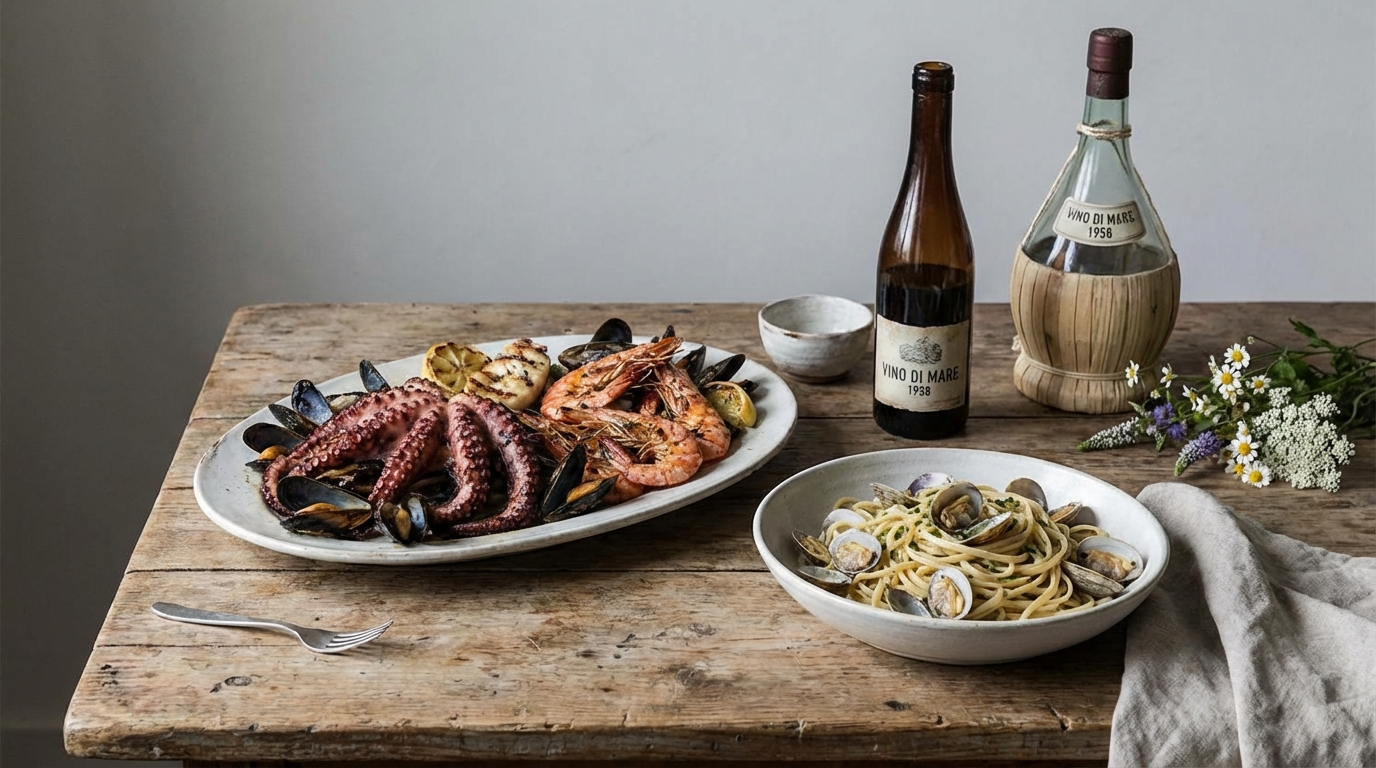
Travel south to Italy, and the heavy roasts are often set aside on Christmas Eve in favor of the sea. Rooted in the Roman Catholic tradition of abstaining from meat on the eve of a feast day, La Vigilia (The Vigil) has evolved into the famous Feast of the Seven Fishes. While the number of dishes can vary—some families serve seven to represent the sacraments, others nine for the Trinity multiplied by three, or even twelve for the apostles—the focus remains on the bounty of the ocean.
A typical menu might include salted cod (baccalà), calamari, marinated anchovies, and linguine with clams. It is a lighter, yet incredibly decadent approach to holiday dining. For those who prefer plant-based diets, the Italian emphasis on high-quality vegetables and pastas makes this tradition a wonderful source of inspiration for Showstopping Vegetarian Christmas Mains.
The Americas: A Celebration of Corn and Pork
Across Latin America, Christmas dinner is often celebrated late on Christmas Eve (Nochebuena), and the preparations are a communal event. In Mexico, Costa Rica, and Venezuela, the holiday is synonymous with wrapped delicacies: Tamales and Hallacas. These are not merely dishes; they are labor-intensive gifts of love. Families gather for the tamalada, an assembly line where masa (corn dough) is filled with meats, cheeses, and chilies, then wrapped in corn husks or banana leaves and steamed.
The result is a comforting, savory packet that represents the heart of the home. Alongside these, roasted pork leg (pierna de cerdo) is a common centerpiece, often marinated in citrus and spices. While making tamales from scratch is a day-long affair, modern hosts pressed for time might incorporate Latin flavors using Stress-Free 30-Minute Christmas Dinners strategies, such as quick-marinated pork tenderloin with cilantro and lime.
Scandinavia: The Art of the Smörgåsbord
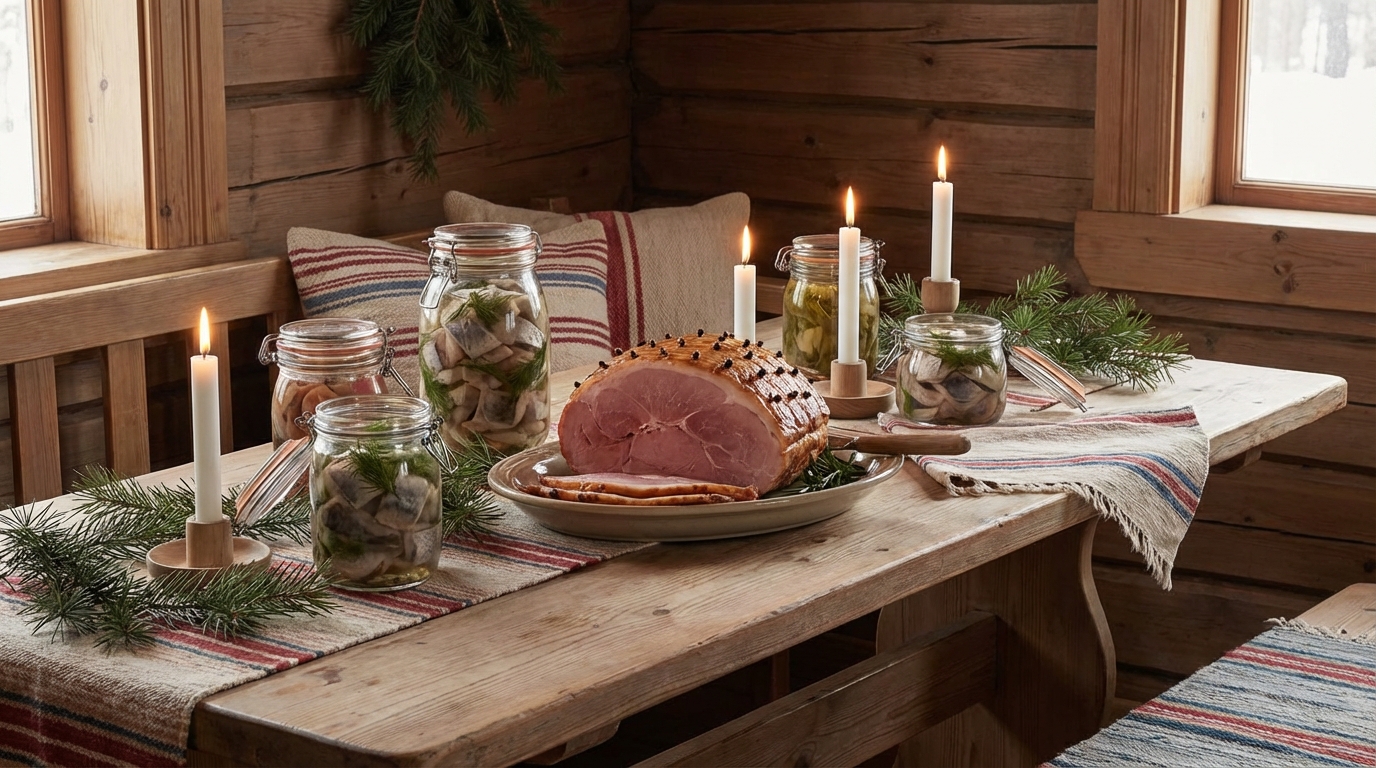
In Sweden, the holiday feast is known as the Julbord, a specific type of smörgåsbord consisting of a three-course buffet. It is a methodical journey through texture and temperature. The first plate focuses on fish, typically featuring various preparations of pickled herring (sill) and cured salmon (gravlax). The second plate introduces cold cuts, including the spectacular Christmas ham (Julskinka), which is boiled, glazed with mustard and breadcrumbs, and served cold.
The final course brings warmth: Swedish meatballs, Prince sausages, and Janssons frestelse (Jansson's Temptation), a creamy potato and anchovy casserole. The Julbord is a visual masterpiece, inviting guests to graze and savor over several hours, accompanied by spiced warm wine (Glögg).
Asia: Unique Modern Traditions
Perhaps one of the most surprising Christmas traditions comes from Japan. Due to a highly successful marketing campaign in the 1970s, Christmas dinner in Japan is synonymous with Kentucky Fried Chicken. It is so popular that families place orders months in advance. This is often followed by a slice of Kurisumasu Keiki, a light sponge cake topped with whipped cream and strawberries, symbolizing the colors of the holiday.
In the Philippines, which boasts the longest Christmas season in the world, the Noche Buena feast is legendary. The star is almost always the Lechon, a whole roasted suckling pig with impossibly crispy skin and tender meat, often served with liver sauce. It is a celebration of abundance and community, reflecting the country's deep love for festive gatherings.
Whether you decide to adopt the Italian seafood vigil or the German roasted goose, integrating international dishes into your menu enriches the holiday experience. For a complete view of how to structure your holiday feast, return to our Ultimate Guide to best christmas meals and start planning a celebration that spans the globe.