The turkey is more than just a dish; it is the culinary anchor of the traditional Christmas feast, a symbol of abundance and gathering that demands respect and patience.
For many home cooks, the Christmas turkey is the most high-stakes meal of the year. The pressure to deliver a bird that is beautifully bronzed on the outside while remaining succulent and tender on the inside can be daunting. However, with the right preparation and a respect for the fundamentals of roasting, you can elevate this task from a chore to a triumph. This guide is designed to walk you through every stage of the process, ensuring your contribution to the Ultimate Guide to best christmas meals is nothing short of spectacular.
1. Selecting and Prepping Your Bird
The journey to the perfect roast begins well before Christmas morning. First, decide between fresh and frozen. While a fresh, heritage-breed turkey often boasts a deeper flavor profile, high-quality frozen turkeys are excellent options if thawed correctly. If you choose frozen, remember that patience is a virtue: allow 24 hours of thawing time in the refrigerator for every 4 to 5 pounds of bird.
Size matters significantly. A general rule of thumb is to calculate 1 to 1.5 pounds per guest. This accounts for the weight of the bone and ensures there is plenty left over for those coveted Boxing Day sandwiches. Once thawed, remove the giblets and neck—save these for your gravy stock—and pat the bird thoroughly dry with paper towels. Dry skin is the secret to a crispy finish.
2. The Art of Seasoning and Stuffing
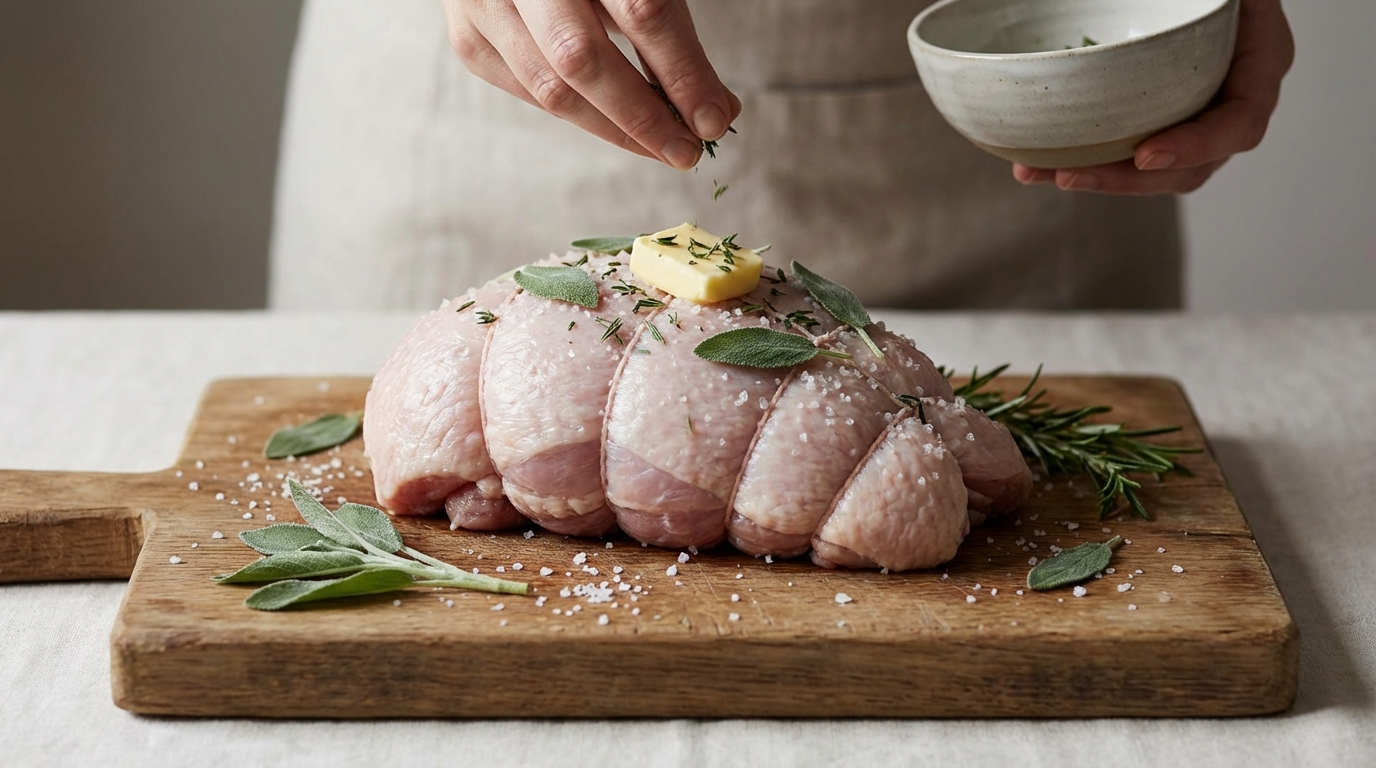
To infuse your turkey with the luxury flavors of the season, do not be shy with aromatics. A compound butter—butter mixed with minced garlic, rosemary, thyme, and citrus zest—should be rubbed not just over the skin, but under it, directly onto the breast meat. This technique acts as a self-basting mechanism as the butter melts, keeping the lean meat moist.
Regarding stuffing, traditionalists often debate whether to cook it inside the bird or separately. For the safest and most even cooking, we recommend cooking your stuffing in a separate dish. This allows heat to circulate freely inside the turkey cavity. Instead of stuffing, fill the cavity with rough-chopped onions, carrots, celery, and lemon halves to steam the bird from the inside with aromatic flavor.
3. Roasting: Temperature and Timing
Preheat your oven to 325°F (165°C). This moderate temperature is the sweet spot for roasting; it is hot enough to brown the skin but gentle enough to cook the meat through without drying it out. Place the turkey breast-side up on a rack in a roasting pan. If you do not have a rack, a bed of hearty vegetables works perfectly as a natural trivet.
Cooking times will vary by weight, generally requiring 13 to 15 minutes per pound for an unstuffed bird. However, rely on temperature, not just time. Use an instant-read thermometer inserted into the thickest part of the thigh (avoiding the bone). You are looking for an internal temperature of 165°F (74°C).
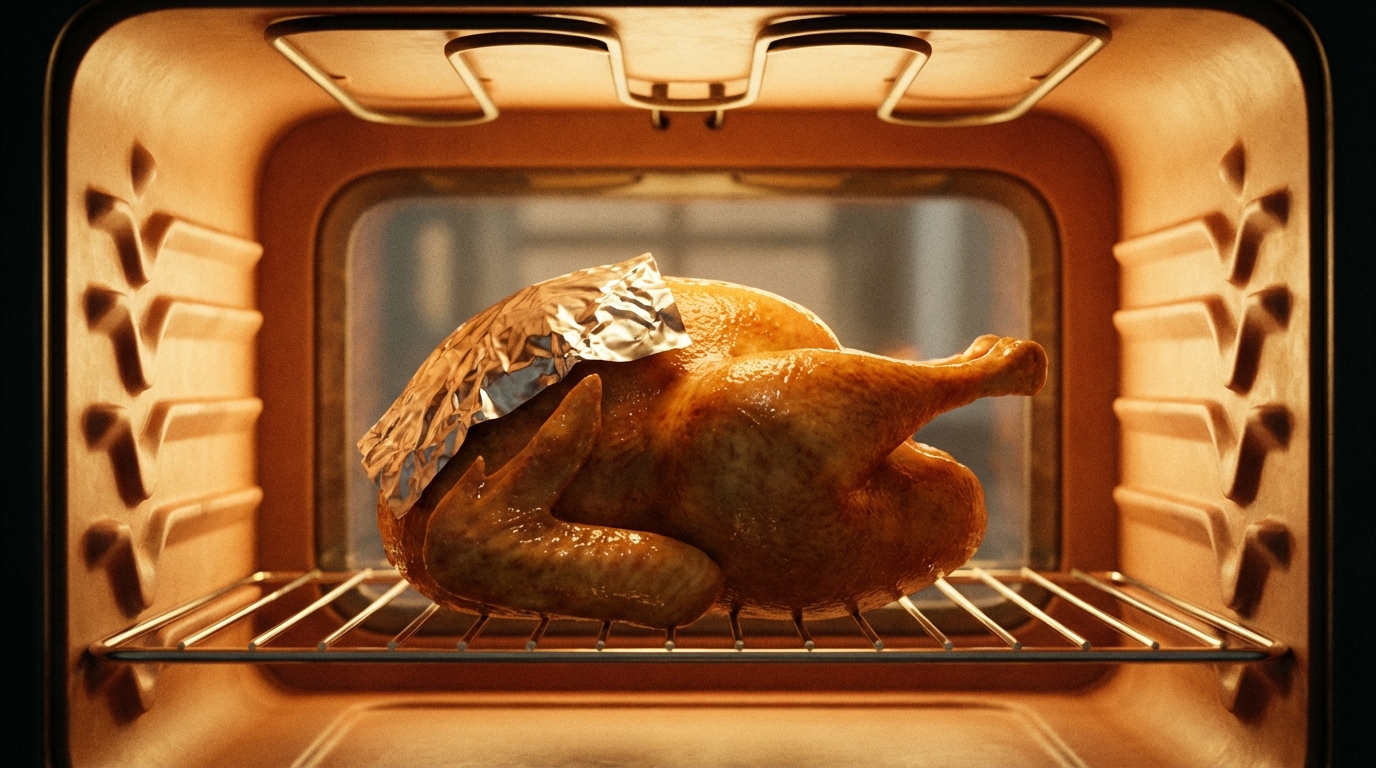
Pro Tip: About two-thirds of the way through the cooking process, if you notice the breast skin browning too quickly, loosely tent the bird with aluminum foil. This protects the delicate breast meat while the dark meat finishes cooking.
4. Resting and Carving
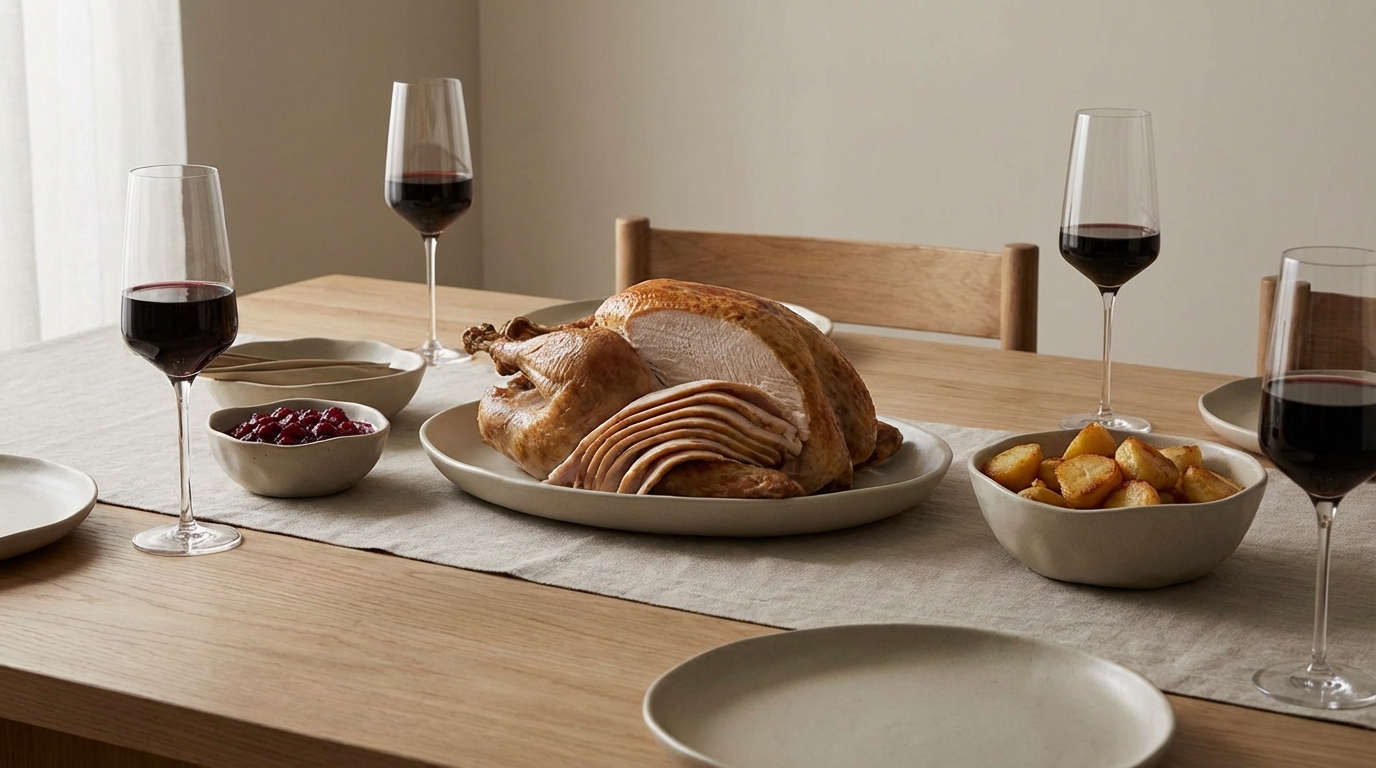
Perhaps the most critical step occurs after the turkey leaves the oven. You must let the bird rest. Transfer it to a warm platter, cover it loosely with foil, and wait at least 30 to 45 minutes. During this time, the muscle fibers relax and reabsorb the juices. cutting into a hot turkey immediately will cause all that precious moisture to run out onto the cutting board, resulting in dry meat.
While the turkey rests, you have the perfect window to finalize your Essential Christmas Side Dishes & Sauces. This is the time to crisp up your roast potatoes, glaze the carrots, and finish that rich gravy using the drippings from the roasting pan.
5. Curating the Complete Menu
While the traditional roast turkey is the star, a truly luxurious Christmas dinner caters to everyone at the table. If you are hosting a large gathering, consider the dietary needs of all your guests. For those who abstain from meat, a centerpiece from our collection of Showstopping Vegetarian Christmas Mains, such as a Mushroom Wellington, ensures they feel equally celebrated.
Furthermore, if the idea of a multi-hour roast feels overwhelming, or if you are hosting a smaller, more intimate gathering, you might prefer our strategies for Stress-Free 30-Minute Christmas Dinners. However, for those who love to explore, looking beyond the turkey to International Christmas Food Traditions can provide inspiration for unique spice rubs or side dishes that complement the traditional bird.
Final Thoughts on the Holiday Feast
Mastering the traditional roast turkey is a rite of passage for the home cook. It requires preparation, patience, and a touch of courage. But when you carry that platter to the table, golden and gleaming, the appreciation of your guests makes every minute of effort worthwhile. Remember, the perfect meal is not just about the food, but the memories created around it.